
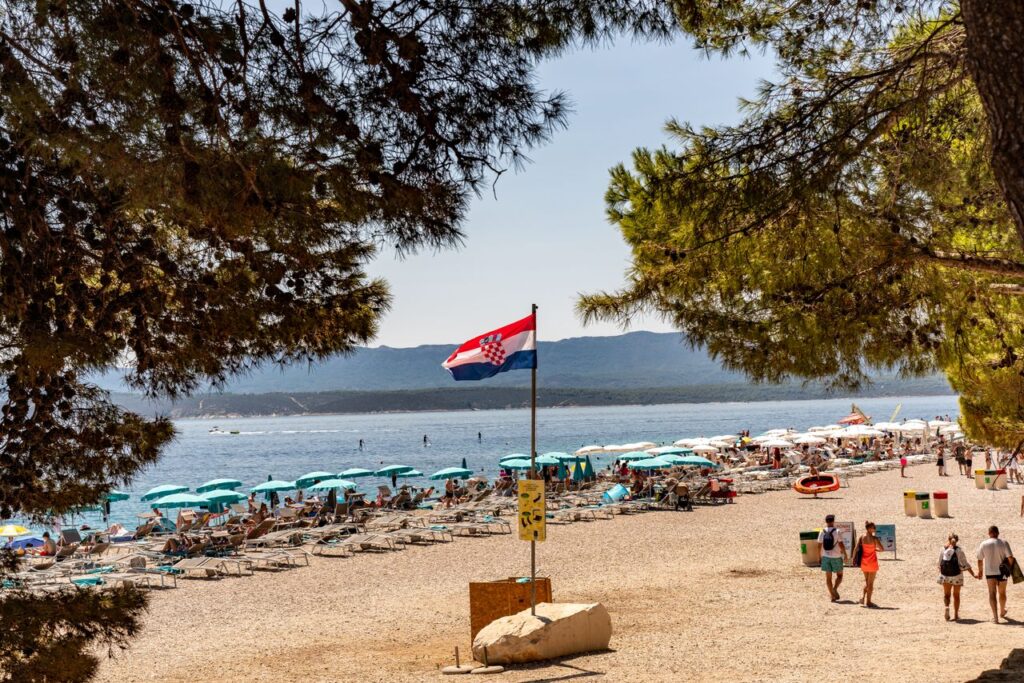
Visiting Croatia This Summer 2026? Now Is the Perfect Time to Start Your Croatian Citizenship Application
Every summer, hundreds of thousands of people of Croatian descent return to Croatia from Canada, the United States, Australia, New Zealand, South America and Western Europe. Some come to spend time with family. Others visit the village where their grandparents were born, attend family celebrations, reconnect with relatives or simply enjoy a few weeks on the Adriatic coast. Yet for many members of the Croatian diaspora, a summer visit becomes something much more important than a holiday. It becomes the moment they finally ask themselves:“Should I finally apply for Croatian citizenship?”
If that question has crossed your mind during your visit, you are certainly not alone. Every year we advise descendants of Croatian emigrants who have been thinking about Croatian citizenship for years but only decide to begin the process once they are actually in Croatia. There is a simple reason for this. Being here changes everything. Walking through the town where your family originated, speaking with relatives, visiting churches and cemeteries, looking through old family photographs and hearing stories that have never been written down often creates a connection that simply cannot be experienced from thousands of kilometres away. For many people, this is also the first time they realise that obtaining Croatian citizenship is not merely about reconnecting with their heritage—it is about creating new opportunities for themselves and future generations. If you qualify, acquiring Croatian citizenship also allows you to obtain a Croatian passport and enjoy the benefits of European Union citizenship. If you are not yet familiar with those advantages, you may also wish to read our guide on the benefits of holding a Croatian passport.
Already in Croatia this summer? Before returning home, consider obtaining a professional assessment of your eligibility. An experienced Croatian citizenship lawyer can explain your options, identify the correct legal pathway and help you avoid unnecessary delays. Book a consultation while you’re still in Croatia.
Why Summer 2026 May Be the Best Time to Start Your Croatian Citizenship Application
Many people assume that applying for Croatian citizenship begins with collecting birth certificates and completing application forms. In reality, the process usually starts much earlier. It starts with information. While visiting Croatia, you have access to something that is often impossible to recreate after returning home: your family’s collective knowledge. Parents, grandparents, cousins, aunts, uncles and elderly neighbours frequently know details that never appear in official government records. They may know:- the exact village where your ancestor was born;
- whether your family surname changed after emigrating;
- which parish holds baptismal records;
- whether your parent or grandparent ever formally renounced citizenship;
- where old passports, military records or family documents are stored; or
- which relatives possess photographs, certificates or correspondence that may later become valuable evidence.
Your Family May Be Holding the Most Important Documents
One of the biggest misconceptions is that every Croatian citizenship application depends entirely on obtaining documents from Croatian authorities. While official records certainly play an essential role, many successful applications begin somewhere much closer to home. During summer visits, families often discover boxes of old documents that have remained untouched for decades. These documents may include historic passports, military records, birth certificates, marriage certificates, family books (Obiteljska knjižica), old citizenship certificates, immigration papers or correspondence exchanged with Croatian or former Yugoslav authorities. Although not every document will ultimately be submitted with the application, many provide valuable clues that help establish the correct legal pathway and significantly simplify the work required later. Before requesting dozens of official certificates, it is often worth determining which documents are actually necessary. Our Croatian citizenship legal services begin with precisely this type of legal assessment, allowing applicants to understand their options before investing substantial time in document collection.Not Every Croatian Citizenship Application Follows the Same Legal Path
One of the most common misconceptions among descendants of Croatian emigrants is that every Croatian citizenship application follows exactly the same legal process. It would certainly make things easier if that were true, but Croatian citizenship law is considerably more nuanced. Although many applicants ultimately acquire Croatian citizenship by descent, the legal route depends on several factors, including your family’s migration history, the dates of birth of your parents or grandparents and, in some cases, the citizenship legislation that applied decades ago. For example, two applicants may both have grandparents born in Croatia yet require entirely different legal approaches because their families emigrated during different periods or because different citizenship legislation applied to their particular circumstances. This is precisely why experienced legal analysis should come before document collection. Many applicants spend months obtaining certificates that ultimately prove unnecessary simply because they begin gathering documents before confirming which legal basis actually applies. An experienced Croatian citizenship lawyer will usually begin by analysing your family history rather than immediately preparing application forms.Questions Your Family May Be Able to Answer Today
One of the greatest advantages of visiting Croatia is that you have direct access to people who may possess information unavailable anywhere else. Official records are invaluable, but they rarely tell the complete story. During conversations with relatives, applicants frequently discover facts that fundamentally change the legal assessment of their eligibility. Examples include:- the exact municipality where an ancestor was born;
- whether a grandparent ever returned to Croatia after emigrating;
- whether your family previously obtained Croatian documents;
- whether another relative has already successfully acquired Croatian citizenship;
- where old passports, military records or family correspondence are stored; and
- whether important documents are held by relatives living elsewhere in Croatia.
Don’t Leave Croatia Without Gathering These Documents
Even if you do not intend to submit your Croatian citizenship application until after returning home, there are several documents and pieces of information worth collecting before your trip ends. Depending on your family’s circumstances, this may include:- copies of family birth certificates;
- marriage certificates;
- historic Croatian or Yugoslav passports;
- family books (Obiteljska knjižica);
- old identity cards;
- military documentation;
- church records;
- historic family photographs showing names or dates; and
- copies of correspondence with Croatian authorities.
Starting Your Citizenship Journey Is About More Than Obtaining a Passport
For many members of the Croatian diaspora, applying for Croatian citizenship begins with practical considerations such as easier travel, the ability to live and work within the European Union or obtaining a Croatian passport. However, the process often becomes something far more personal. Researching your family’s history frequently reconnects applicants with relatives they had never met, places they had only heard about in family stories and traditions that had gradually faded over generations. Many clients tell us that, by the time they receive their Croatian citizenship, they feel a much stronger connection with Croatia than when they first decided to begin the process. If you would like to explore the practical advantages that Croatian citizenship offers, including visa-free travel and European Union rights, you may also find our guide on Croatian passport benefits helpful.Why Many Applicants Choose to Speak With a Croatian Citizenship Lawyer Before Returning Home
Every family’s history is unique, and even seemingly small factual differences can affect the legal basis of a Croatian citizenship application. For that reason, many applicants choose to obtain professional legal advice while they are still in Croatia. Rather than spending months collecting documents without knowing whether they are relevant, an experienced Croatian citizenship lawyer can assess your circumstances, identify potential legal issues and recommend the most appropriate strategy from the outset. Our Croatian citizenship legal services are designed precisely for this purpose: helping descendants of Croatian emigrants understand their eligibility before significant time and effort are invested in the application process.Why Waiting Until You Return Home Often Delays the Entire Process
Almost every member of the Croatian diaspora has said something similar:“I’ll deal with Croatian citizenship once I get back home.”Unfortunately, this is often where the process stalls. Daily life quickly takes over. Work, family commitments and other priorities make it easy to postpone something that does not appear urgent. Months pass. Sometimes years. By the time applicants decide to begin again, they often realise they no longer remember the details discussed with relatives during their visit, they are unsure where certain documents were kept or the family member who knew the answers is no longer available. This is one of the main reasons we encourage descendants of Croatian emigrants to start planning their Croatian citizenship application while they are already in Croatia—even if they intend to complete the process after returning home.
The Best Time to Ask Questions Is While You’re Still Here
Many of the questions that determine the legal strategy for a Croatian citizenship application cannot be answered by official records alone. Your relatives may know:- when your ancestors emigrated;
- whether they ever returned to Croatia permanently;
- whether they retained Croatian documents after emigrating;
- whether another branch of the family has already obtained Croatian citizenship; or
- where additional family records may still exist.
Why a Legal Assessment Should Come Before Document Collection
Many people naturally assume that the first step is requesting every available certificate from Croatian authorities. In practice, that approach often creates unnecessary work. The more efficient approach is to determine which legal pathway applies first and only then identify the documents required to support that particular application. For example, depending on your family’s circumstances, it may be necessary to examine historical citizenship legislation, determine whether a parent or grandparent was considered a Croatian citizen at a particular point in time or establish whether an administrative determination of citizenship should precede an application by descent. Without first understanding the legal framework, applicants frequently spend time and money obtaining documents that ultimately have little relevance to their case. This is why many people choose to consult a Croatian citizenship lawyer before beginning the document collection process.What Happens During an Initial Legal Assessment?
Many prospective clients assume that a legal consultation focuses primarily on paperwork. In reality, the first step is usually understanding your family’s history. A Croatian citizenship lawyer will typically seek to establish:- which ancestor forms the basis of your application;
- when that person emigrated from Croatia;
- whether your parents or grandparents were ever registered as Croatian citizens;
- which historical citizenship legislation is likely to apply; and
- what documentary evidence is realistically available.
Our Croatian Citizenship Legal Services
At Croatian Immigration Lawyer, we assist descendants of Croatian emigrants from around the world with every stage of the citizenship process. Our work frequently begins long before an application is submitted. We help clients understand whether they qualify, identify the correct legal basis for acquiring Croatian citizenship and prepare a strategy tailored to their individual family history. Our legal services include eligibility assessments, legal analysis of historical citizenship legislation, document reviews, preparation of applications and ongoing assistance throughout the Croatian citizenship process. Because every family history is unique, we believe that obtaining legal advice before significant time is spent gathering documents often produces the most efficient and cost-effective outcome.You’re Already in Croatia—Take Advantage of the Opportunity
If you are reading this article while spending Summer 2026 in Croatia, you are already in a position that many applicants wish they could recreate after returning home. You have access to your family, your ancestral community and information that may never again be as easy to obtain. Whether you ultimately decide to submit your application this year or later, using your time in Croatia to understand your eligibility and gather the right information can make the entire process significantly smoother. For many members of the Croatian diaspora, the hardest part of obtaining Croatian citizenship is not the legal process itself—it is taking the first step. If you’ve been thinking about applying for years, perhaps this summer is the right time to finally begin.Before You Leave Croatia: 5 Things Every Future Croatian Citizen Should Do
If you are spending Summer 2026 in Croatia and are considering applying for Croatian citizenship, try to complete as many of the following steps as possible before returning home:- Talk to your oldest relatives. Ask about birthplaces, dates of emigration, family surnames, former citizenship documents and relatives who may already have obtained Croatian citizenship.
- Photograph or scan old family documents. Old passports, birth certificates, marriage certificates, military records, family books (Obiteljska knjižica) and historic correspondence may later become valuable evidence or help identify the correct legal pathway.
- Write down names, dates and places. Even small details—such as the correct spelling of a village name or the year a grandparent emigrated—can save weeks of research later.
- Identify the correct legal basis before collecting documents. Many applicants immediately begin requesting certificates without first determining which provisions of Croatian citizenship law actually apply to their case.
- Arrange a legal assessment before returning home. Before returning home, consider obtaining a professional assessment of your eligibility. An experienced Croatian citizenship lawyer can identify the appropriate legal pathway, explain which documents are actually required and help you avoid unnecessary delays. If you are currently in Croatia, contact us to arrange a consultation while you are still here.
A few hours spent gathering information during your visit to Croatia can often save months of uncertainty after you return to Canada, the United States, Australia or elsewhere.
Many Applicants Wait Too Long
One pattern appears repeatedly. People spend years saying that they will begin their Croatian citizenship application “next summer.” Eventually another year passes, family memories fade, documents become harder to locate and the process feels even more overwhelming than before. The best applications usually begin before there is any urgency. They begin while applicants still have access to relatives, family records and the local knowledge that only exists during visits to Croatia. If you are already here, Summer 2026 may be the perfect opportunity to take that first step.Take the First Step Before You Leave Croatia
You do not need to submit your Croatian citizenship application before your flight home. However, you should aim to leave Croatia with something even more valuable: certainty. By the end of your visit, you should ideally know:- whether you are likely to qualify for Croatian citizenship;
- which ancestor forms the basis of your application;
- which legal pathway is most appropriate;
- which documents you already possess;
- which documents still need to be obtained; and
- what the next steps will be once you return home.
How We Help Members of the Croatian Diaspora
At Croatian Immigration Lawyer, we work almost exclusively with international clients who are navigating Croatian citizenship and immigration matters from abroad. Many of our clients first contact us while they are visiting Croatia during the summer, recognising that they have a unique opportunity to gather information and begin the process before returning to Canada, the United States, Australia, New Zealand or elsewhere. Our role is not simply to prepare application forms. Instead, we begin by analysing your family’s history and identifying the legal pathway that offers the strongest basis for your Croatian citizenship application. Depending on your circumstances, we can assist with:- assessing your eligibility for Croatian citizenship;
- determining the appropriate legal basis under Croatian citizenship legislation;
- reviewing family documents before official applications are submitted;
- obtaining Croatian civil status records where required;
- preparing legal submissions and supporting documentation;
- communicating with Croatian authorities where appropriate; and
- guiding you throughout the citizenship application process.
Why Professional Legal Advice Can Save Time
Every year we speak with applicants who have already spent months collecting documents before discovering that their case required a different legal approach. In many situations, those delays could have been avoided through an early legal assessment. An experienced Croatian citizenship lawyer does far more than explain the application procedure. A lawyer evaluates your family history, identifies potential legal issues before they become obstacles, determines which historical legislation may apply and helps ensure that the application is prepared on the strongest possible legal foundation. This is particularly important where citizenship questions involve multiple generations, historical migration or legal provisions that have changed over time.Begin Your Croatian Citizenship Journey This Summer
Every summer brings thousands of descendants of Croatian emigrants back to the country their families once called home. For some, it is simply another holiday. For others, it marks the beginning of reclaiming their Croatian citizenship and strengthening their connection with Croatia for generations to come. If you have been thinking about applying for Croatian citizenship, there may never be a more convenient opportunity than while you are already here. The conversations you have today, the documents you locate this week and the legal advice you obtain before returning home could save months of uncertainty later.Speak With a Croatian Citizenship Lawyer
If you are currently visiting Croatia and would like to understand whether you qualify for Croatian citizenship, we would be pleased to assist. We advise descendants of Croatian emigrants worldwide, providing tailored legal guidance based on each client’s family history, available documentation and the Croatian citizenship legislation applicable to their case. Whether you are only beginning to explore your eligibility or are ready to start the application process, obtaining professional legal advice before returning home can help you move forward with confidence. Schedule a ConsultationRelated Guides
- Croatian Citizenship by Descent: Complete Guide
- Croatian Passport Benefits: Why More Members of the Diaspora Are Applying for Citizenship
- Croatian Citizenship & Immigration Legal Services